
LeArn German in London
German for Children
Bespoke private German lessons for children, tailored to age, stage, and learning style. Sessions are warm, engaging, and designed to build confidence from the earliest years onwards.
In-person lessons in North, Central and South West London.
Goethe-Institut trained · Enhanced DBS checked · Paediatric First Aid certified · Safeguarding trained
Looking for a small German group?
Small group German sessions run in two London locations. A space has just opened in the Friday Barbican group (ages 6–8), and the Muswell Hill Thursday group returns in September.
Sound familiar?
I just want my child to be able to chat with their grandparents.
My partner grew up in Austria, but he doesn’t speak much German with our child. I still just want them to have the gift of another language.
I used to speak German with my kids when they were little, but as they got older, it got more complicated, and they preferred me to speak English with them.
Whatever your reason, I’m here to help
Every lesson is shaped around your child — their stage, their confidence, and how much German they already know.
Many lessons are one-to-one, with the focus entirely on your child. I also offer paired sessions for two children learning together — a friend or a sibling — and small group sessions with other children of a similar age, for those who thrive with a bit of company.
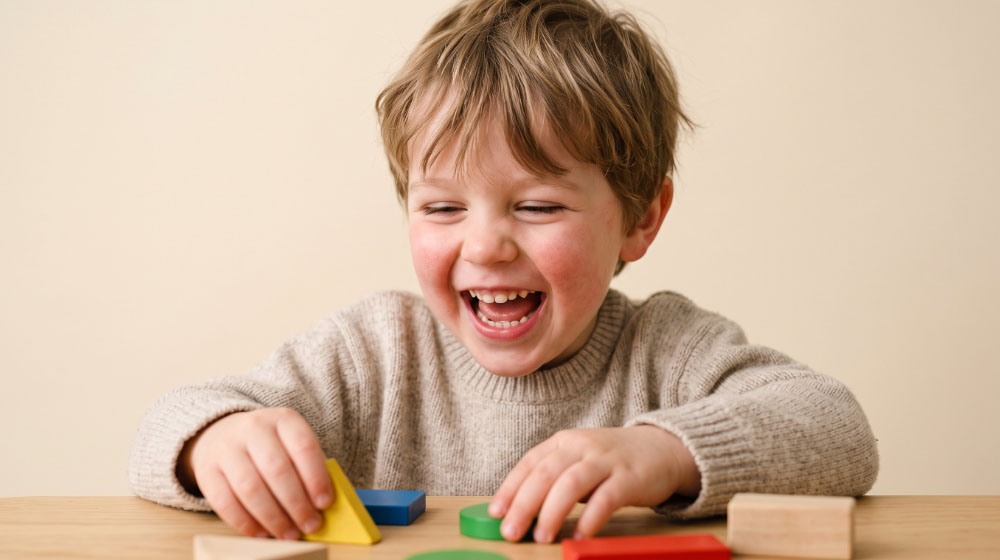
Ages 2-4
Nursery & Pre-Prep School
Giving your child an instinctive feel for German, built through play.
Lessons are immersive and playful, using toys, games, and everyday language entirely in German so your child begins to absorb the sound and rhythm of it naturally.
Your child can join in at their own pace, whether they are starting from scratch or already hearing some German at home.
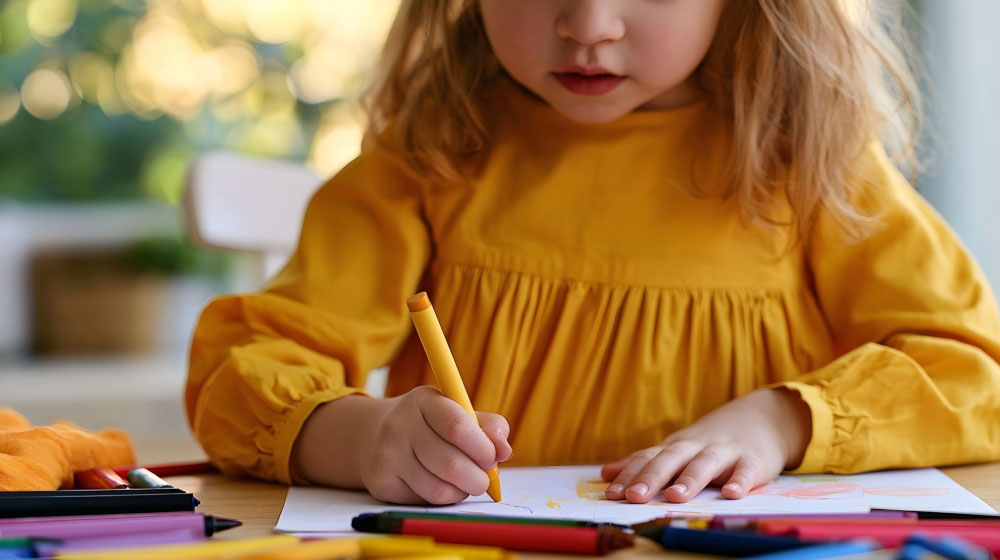
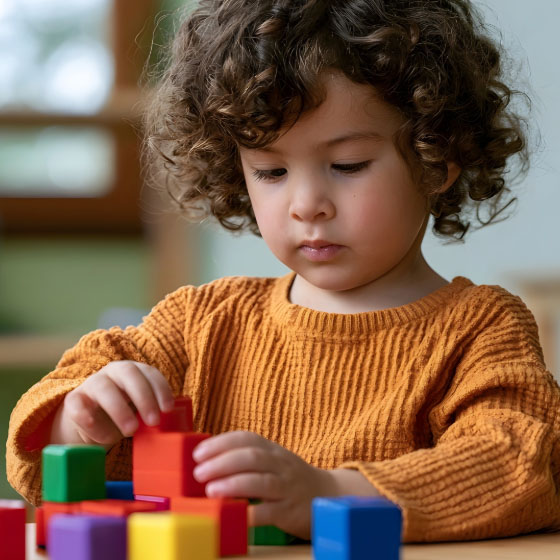
Ages 5-7
Early Primary / Lower Prep School
Fun and engaging lessons that keep German active, memorable, and confidence-building. Lessons use games, stories, songs, and crafts to grow vocabulary and encourage children to start using more German with ease.
Small group lessons are also available for this age group when that suits the child well.
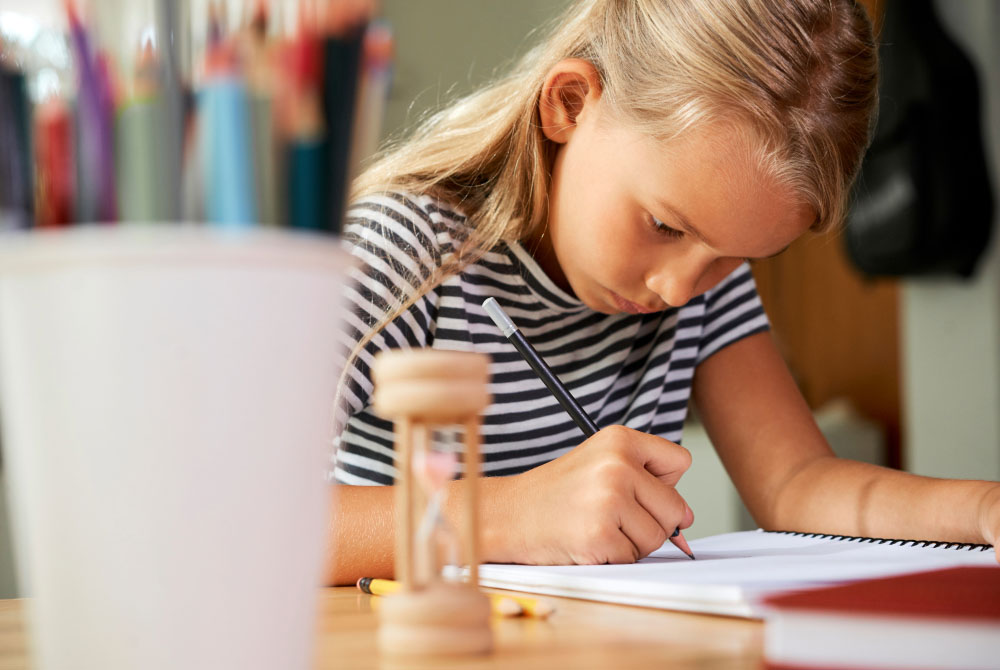
Ages 8-11
Later Primary / Upper Prep School Years
Structured lessons for older children ready to build confidence with spoken and written German. Whether your child is just starting out, or already speaks German confidently and it’s time to move into reading and writing, lessons are shaped around where they are and what they need next.
Learning through Play
How lessons work for ages 2–4
These play-based, in-person sessions follow an immersive approach. I bring toys and games, or we use your child’s own, and we play entirely in German, weaving in as much vocabulary as possible, from prepositions like on and under to colours, early numbers, and everyday words. Your child can respond in whichever language feels comfortable to them.
It’s a principle from my Goethe-Institut training that children need to hear a language enough before they are ready to speak it, and these sessions build exactly that foundation through play. It works just as well whether your child is starting completely from scratch or already has some German in their life.
Perhaps your partner speaks German at home and your child already has some exposure, and these sessions give them another consistent voice to enjoy German with. Or perhaps they are growing up trilingual and you would simply like a bit more German in their week. Either way, I meet your child exactly where they are.
CASE STUDY · AGES 2–4
One year of German, learned through play
One of my students is a three-year-old boy growing up trilingually — his parents wanted more German exposure at home.
Every week I bring a toy suitcase — cars, books, animals, hand puppets — and he picks what we play with. Ball games, monsters, bubbles: I narrate it all in German and keep the questions coming.
He mostly answers in English. I simply repeat it back in German — no pressure, just repetition.
The result: He’s picking up far more than words — vocabulary is starting to come with a natural feel for German’s rhythm and structure. He’s begun using simple words himself, and often doesn’t want our session to end.
CASE STUDY · AGES 5–7
Building confidence, one game at a time
One of my 5-year-old students has a long day — school, then after-school club — so her German lesson lands right before dinner, when she’s often tired.
Instead of worksheets, we play board games to practise numbers, colours, and simple question-and-answer patterns. We pull cuddly toys from a surprise bag to build animal vocabulary, touching and describing each one. Sessions often finish with a hands-on craft, talking through every step and asking plenty of questions along the way.
Real vocabulary, sentence structure, and grammar — all disguised in play.
The result: after just a few lessons, a happy child who sings confidently in German and eagerly picks up new phrases — the foundation for independent speaking.
CASE STUDY · AGES 8–11
Finding their voice together
Two of my students, aged 8 and 9, joined me for joint Saturday sessions after losing touch with the German they’d picked up early on — their parents had stopped speaking it at home, and neither boy felt ready to try a word of it.
In our first session, I compared speaking German to tasting something new: it might feel strange, but you won’t know if it’s ice cream or lemonade until you try — and every mistake is part of getting there. That reframing set the tone for everything that followed.
We’ve practised counting with lego and toy objects, talked about favourite things, and used charades to act out verbs. At their own request, they learned how to order food at a German restaurant — and phone role-plays have become a highlight, from a cheeky grandson demanding a birthday present to a football coach ordering food for the team after a win.
The result: after 12 Saturday sessions, two boys who once wouldn’t try a word of German now hold short dialogues together — asking for what they want, saying what they’d like, and bringing their own humour into it.
Small group German sessions for children
Alongside private lessons, I run small group sessions for children in two London locations — from complete beginners to bilingual children growing up with German.
Barbican / City of London — Fridays, 4.15–5.15pm (ages 6–8)
A friendly, well-established small group near the Barbican. The group suits children who have or had some exposure to German — for example from a German nursery or a German-speaking relative — but don’t speak much German at home. One space has recently become available, as one of the children has moved back to Germany. If you think your child might enjoy joining us, book a free consultation and we can chat about whether the group is a good fit.
Muswell Hill — Thursdays, 5–6pm at Muswell Hill Primary School (ages 6–8)
Would you like your child to learn or improve their German? This friendly Thursday group returns in September, with two groups planned for autumn: one for bilingual children ready to move into reading and writing, and one for children new to German. Spaces are limited — get in touch to register your interest, or to arrange a session for two or a small group in the Muswell Hill area.
Who your child will learn with
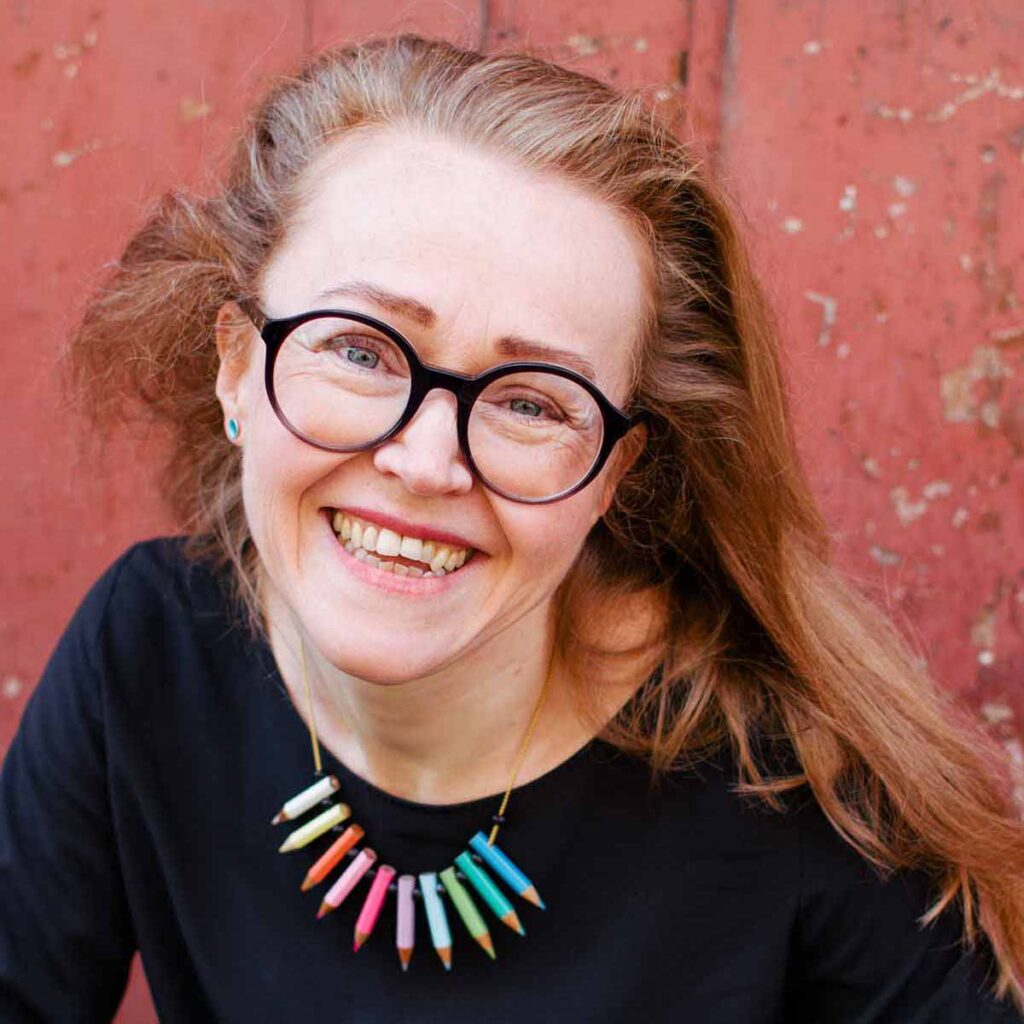
I’m Jacqueline — a native German speaker and mother of two bilingual children. Having kept German alive in an English-speaking home for years, I know first-hand that not every day is full of sunshine and that grammar can be hard. My job is to keep your child feeling capable and keen to come back, whatever kind of day they’ve had. Read more →
FAQ
Questions from parents
Warm, confidence-building lessons are tailored to your child’s age, level, and goals.
What age can my child start learning German?
In my experience, even very young children can enjoy German — I offer play-based sessions for children from age 2, using songs, stories and games. For toddlers and preschoolers, lessons are short, playful and always in the comfort of their own home.
What ages do you teach?
Children from age 2 up to 11, with lessons closely tailored to each age and stage — from playful early-years sessions through to structured reading, writing and grammar for older children. Sessions for teens and adults are also available.
My child understands German but doesn’t like speaking it — can you help?
This is one of the most common situations I see, especially where one parent speaks German at home. Gentle, playful sessions built around your child’s interests can help German feel fun rather than a chore — and give them a reason to speak it with someone new.
Do you teach complete beginners with no German at home?
Yes — children don’t need any German background to start. Beginners are very welcome in private lessons, and my Muswell Hill sessions includes a group for children who are new to German.
Can you support bilingual and heritage children?
Absolutely — it’s something I understand first-hand as the mother of two bilingual children. Whether your child is growing up multilingual, has one German-speaking parent, or is new to the language, I meet them exactly where they are.
Do you offer small group lessons?
Yes. Most families choose one-to-one, with the focus entirely on their child, but I also offer lessons for two children learning together — a friend or a sibling — at your home.
Small group sessions run separately at a community centre or school, with other children of a similar age, for those who love learning alongside friends. You’ll find current times and details in the group sessions section above — currently at the Barbican (Fridays, ages 6–8) and Muswell Hill (Thursdays).
Are lessons in person or online?
For children, lessons are always in person — play, games and hands-on materials are a big part of how young children learn best. Private and paired lessons take place in the comfort of your own home, arranged around your family’s routine.
Online sessions are available for teens and adults.
How often should my child have lessons?
Most families choose one session a week, which in my experience is a lovely rhythm for steady progress — little and often works better than occasional long sessions, especially for younger children.
Which areas of London do you cover for children’s German lessons?
I teach children in their own homes across North, Central and South West London, including Muswell Hill, Crouch End, Highgate, Highbury, Islington, the Barbican, City of London, Farringdon, Fulham, Parsons Green and Chelsea. I also run small group sessions in the Barbican (ages 6–9) and Muswell Hill (Thursdays).
How does pricing work?
Full details are on my Pricing page. Every child is different, so the best next step is a free consultation — we’ll talk through what would suit your child and find the right fit.
What happens at the free consultation?
It’s a relaxed, no-obligation chat about your child — their age, the German they have so far, and what you’re hoping for. It’s also where we find a time and place that works for you. No pressure to book.
Find the right fit
Whether your child is just starting out, growing up bilingual, or preparing for more structured German, I’d love to hear about their needs and recommend the best next step.